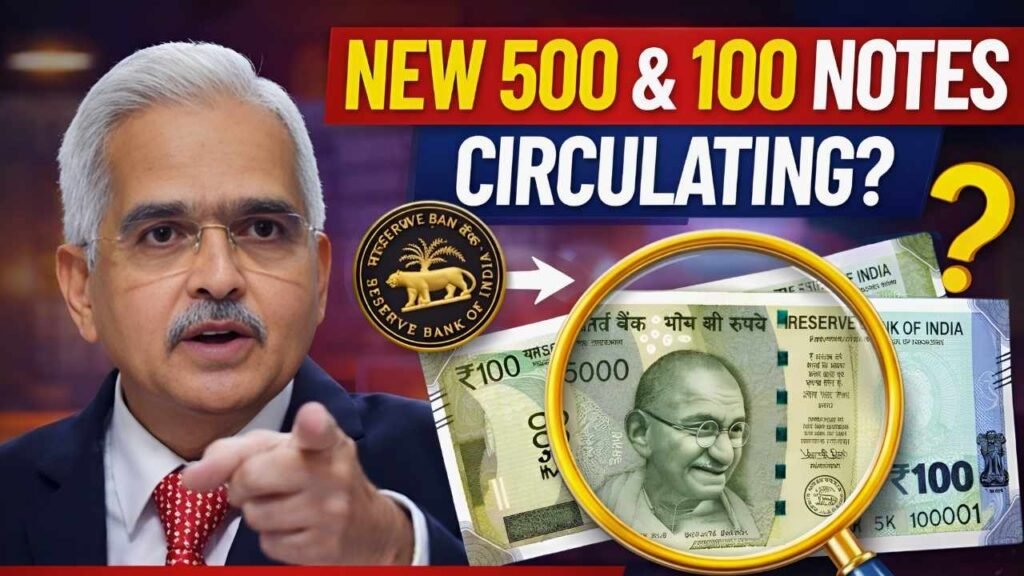
RBI ₹500 Note Rules 2026: Cash continues to be a vital part of India’s financial ecosystem, and the ₹500 note remains one of the most circulated denominations in the country. In 2026, fresh clarifications and updated operational guidelines from the Reserve Bank of India have once again placed the ₹500 note in public discussion. From exchange norms to counterfeit detection and banking compliance, citizens need clear, accurate information. Here is a completely fresh and detailed breakdown of the latest ₹500 note rules that every Indian should understand this year.
₹500 Note Status Confirmed Safe
The ₹500 note continues to be legal tender across India in 2026. There has been no official announcement declaring it invalid or withdrawn. The Reserve Bank of India has reiterated that any change in currency status is always communicated through formal notifications. Social media rumors claiming sudden discontinuation are misleading. Citizens can confidently use ₹500 notes for shopping, bill payments, travel, and other routine transactions without fear, provided the notes are genuine and not severely damaged.
Updated Bank Exchange Norms
Banks across India are required to follow RBI’s updated exchange guidelines for damaged or soiled ₹500 notes. Slightly torn notes, dirty notes, or folded notes must be accepted if key identification features are visible. However, excessively mutilated notes may require verification before exchange value is decided. Customers are not charged any fee for exchanging valid damaged notes. This ensures fairness and prevents harassment of individuals who unknowingly receive worn-out currency during transactions.
Mutilated Notes New Assessment Process
For heavily damaged ₹500 notes, banks follow a structured assessment system. The refund amount depends on how much of the note remains intact. If more than a specified portion of the note is available and security features are visible, partial or full value may be credited. In 2026, branches have been directed to handle such cases with transparency. Customers are encouraged to approach designated currency counters rather than arguing with retailers over acceptance.
Stronger Anti Counterfeit Monitoring
Counterfeit currency remains a concern, and RBI has strengthened monitoring mechanisms in 2026. Advanced scanning systems are now widely installed in banks to detect fake ₹500 notes instantly. Citizens should carefully check the security thread, watermark, color shifting numeral, and micro text before accepting large cash payments. Businesses are also advised to use ultraviolet lamps or note checking devices to avoid unknowingly circulating counterfeit currency.
Cash Deposit Compliance Tightened
While ₹500 notes remain valid, deposit scrutiny has become stricter in certain scenarios. Large cash deposits may trigger mandatory reporting under income tax and anti money laundering regulations. Banks may request PAN details for deposits exceeding specified limits. This is not a restriction on ₹500 notes specifically but part of broader financial transparency rules. Regular account holders making routine deposits do not face any additional hurdles beyond standard banking procedures.
ATM Circulation Remains Stable
In 2026, ₹500 notes continue to dominate ATM withdrawals across urban and rural regions. Banks manage currency distribution based on demand patterns and local consumption trends. Occasionally, certain ATMs may temporarily run out of ₹500 notes due to logistical delays, but there is no policy limiting their circulation. RBI regularly reviews supply chains to ensure smooth availability and prevent panic withdrawals or artificial shortages.
Writing On Notes Advisory
The RBI has once again reminded citizens not to write, stamp, or staple ₹500 notes. While such notes may still technically be legal tender, excessive markings reduce their life cycle and create complications during exchange. In 2026, banks have been instructed to promote awareness about maintaining note quality. Preserving currency condition helps reduce printing costs and ensures smoother transactions in markets, retail stores, and fuel stations.
Digital Payments Still Encouraged
Even with stable cash circulation, the push toward digital transactions continues. UPI, mobile wallets, and debit cards are increasingly replacing cash for small payments. However, RBI maintains a balanced approach, recognizing that cash remains essential in many areas, especially rural markets and small scale businesses. The ₹500 note plays a critical role in bridging the gap between digital and physical economies, offering flexibility to citizens across different income groups.
Rural Banking Awareness Drive
A significant 2026 update includes awareness programs in semi urban and rural areas about currency handling and counterfeit identification. Banking correspondents and local branches are conducting educational sessions to help people understand note security features. This initiative aims to reduce panic during rumor cycles and improve financial literacy. Clear communication ensures that misinformation does not disrupt normal cash flow in smaller towns and villages.
No Deadline No Panic
One of the most important clarifications this year is the absence of any exchange deadline for valid ₹500 notes. Citizens are not required to rush to banks unless their notes are damaged or suspected to be fake. RBI emphasizes that any major currency reform would always include a clear timeframe and public notice. Acting on unverified messages can lead to unnecessary crowding at bank branches and avoidable stress.
Legal Consequences For Fake Usage
Using counterfeit ₹500 notes knowingly is a punishable offense under Indian law. If someone accidentally receives a fake note, they should report it immediately instead of recirculating it. Banks have clear protocols for impounding counterfeit currency and issuing acknowledgment slips. This protects honest citizens while helping authorities trace illegal printing networks. Awareness and responsible action from individuals are key to maintaining currency integrity.
Economic Stability And Cash Confidence
The ₹500 note remains a symbol of transactional stability in India’s evolving economy. Despite increasing digital adoption, cash continues to account for a significant portion of everyday exchanges. RBI’s 2026 clarifications aim to build confidence, eliminate misinformation, and streamline banking procedures. Transparency in currency management strengthens public trust and ensures uninterrupted economic activity across sectors.
Final Word: RBI ₹500 Note Rules 2026
The final word is simple and reassuring. The ₹500 note is fully valid in 2026, with clear guidelines in place for exchange, deposit, and counterfeit prevention. Citizens should rely only on official announcements and verified information. By understanding the updated rules and handling currency responsibly, every individual can contribute to a stable and secure financial system.